
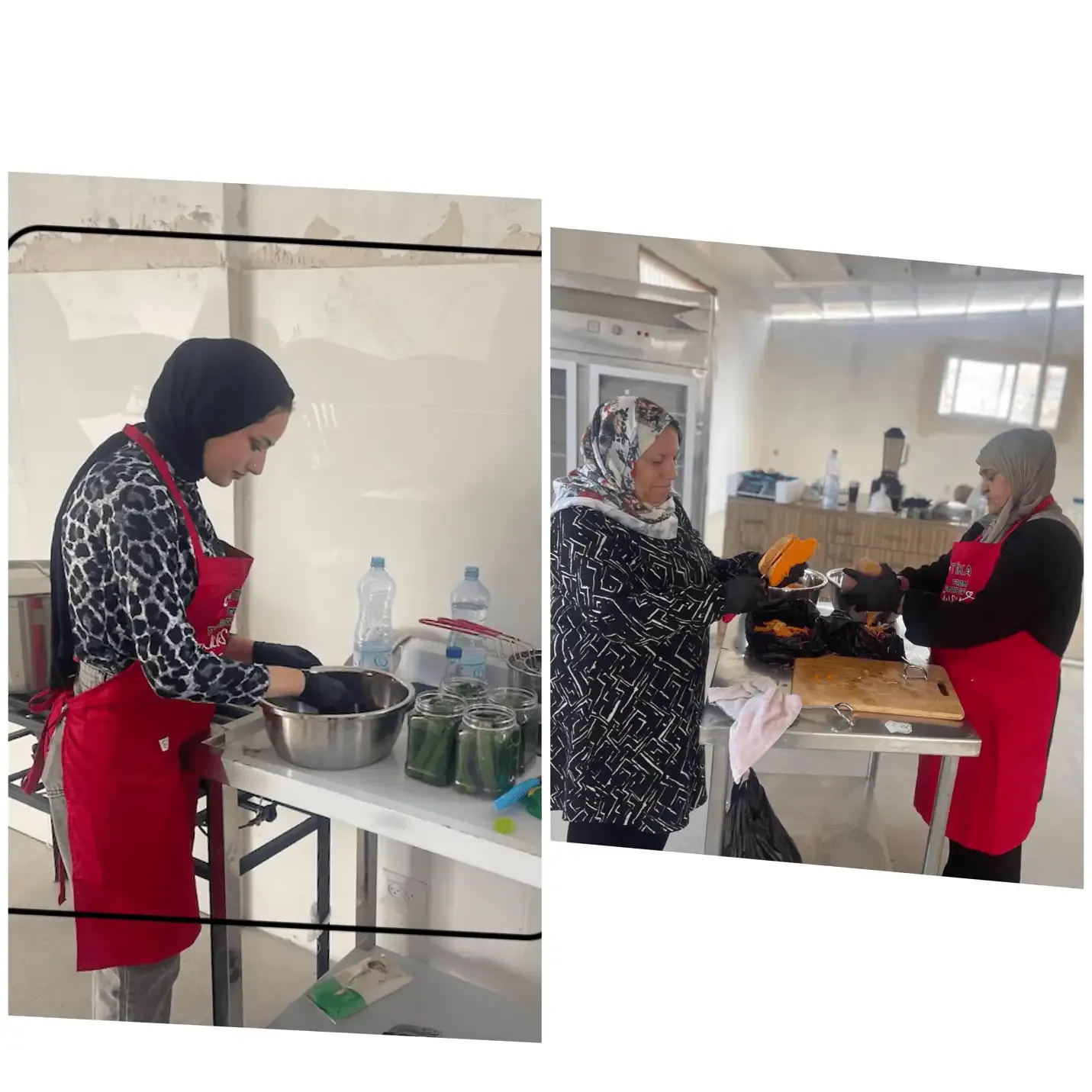
The air inside the newly opened Center for Freedom and Justice (CFJ) facility in Beit Ummar carries a profound scent of transformation. It is the rich, sweet aroma of fresh local fruits simmering in large cooking pots, a tangible sign of a community reclaiming its narrative. If you close your eyes, you can hear the steady, rhythmic clinking of glass jars being filled, the soft murmurs of shared stories, and the confident laughter of women who have stepped into their own power.
This is not just a food production facility; it is a sanctuary of resilience and economic independence, entirely driven by the hands of local women.
Breaking Ground
For generations, the historic Palestinian town of Beit Ummar, nestled between Hebron and Bethlehem, has been defined by its deep roots in agriculture. Nearly 60% of the population relies on the fertile earth, tending to fields that supply vibrant fruits and vegetables to the local market. Yet, despite the abundance of the land, systemic economic hardships and a lack of viable employment opportunities have historically left local families vulnerable, with women bearing the heaviest burden.
Recognizing that empowering a woman is synonymous with uplifting an entire family, the Center for Freedom and Justice (CFJ) initiated a visionary sustainable development program. The mission was clear: channel the traditional agricultural knowledge of local women into a structured, sustainable enterprise where they are not just participants, but the central leaders.
October 2025: The Awakening of the Sabaya (Youth Women)
Following months of intensive training weeks in advanced food production, specialized packaging, and marketing strategies, a major milestone was achieved. In October 2025, the facility officially opened its doors for its inaugural activity.
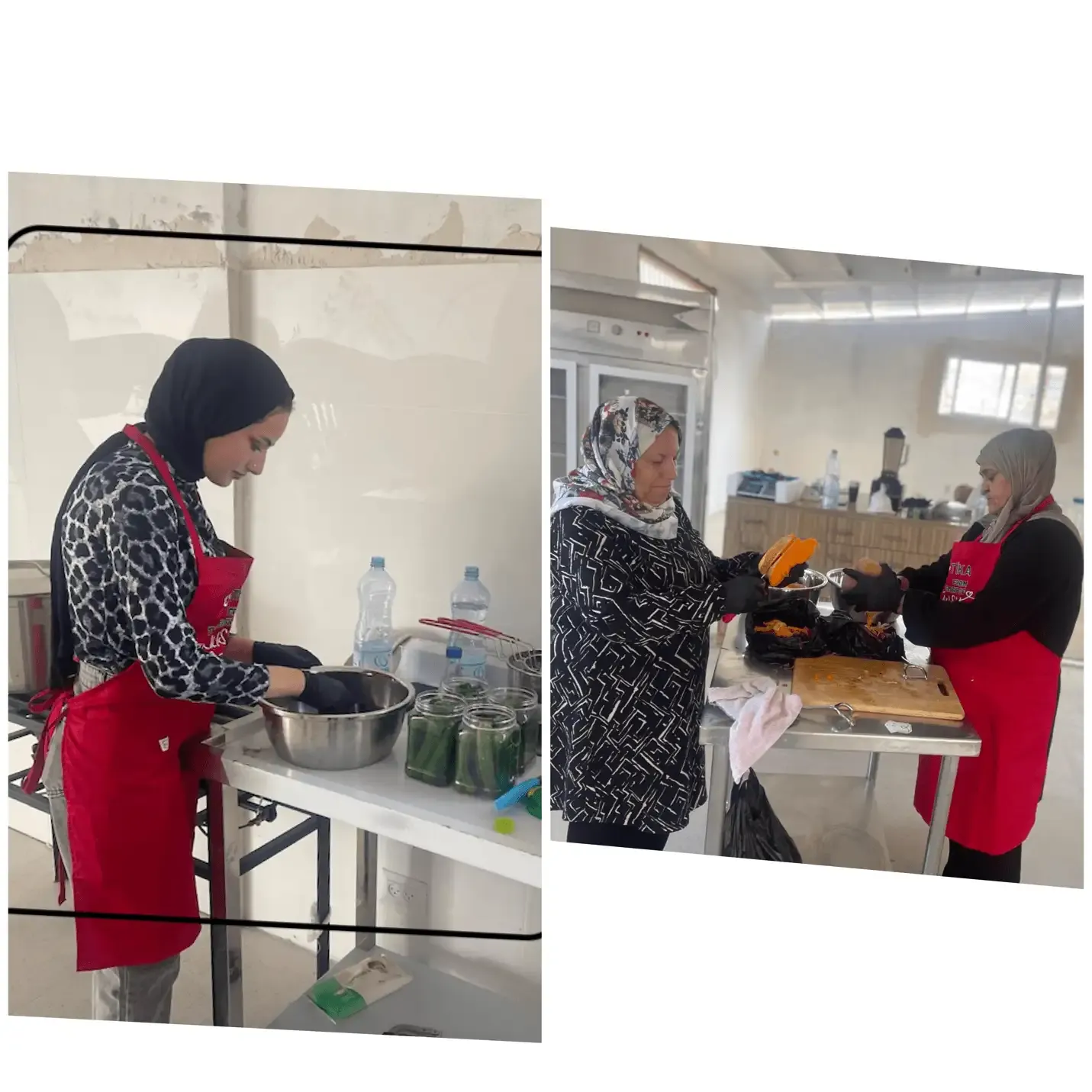
A dedicated group of local women gathered to spearhead the very first food processing cycle. Working in perfect harmony, they transformed raw harvests provided by 30 local farmers into premium, packaged goods ready for the local market.
Watching the Sabaya (young women) command the production floor today is a powerful testament to what happens when opportunity meets determination. Managing everything from inventory control to direct marketing, these women are no longer working in isolation. They have built a collective sisterhood of entrepreneurship. Every jar sealed carries with it a newly discovered sense of agency, self-worth, and financial stability that ripples directly back into their households.
Nurturing a Circular Future
The impact of their work extends beautifully beyond economic relief. In alignment with their respect for the land, these women lead a zero-waste, circular green economy within the facility. Every remnant of green waste generated during the fruit and vegetable production is carefully collected and recycled into organic compost. This compost is given back to the local farmers, replacing chemical fertilizers, enriching the soil, and keeping the ecosystem pure.
However, October was just the beginning. The Center for Freedom and Justice is actively pursuing the next phases of development to ensure this facility remains a fully sustainable, lifelong workplace for the women of Beit Ummar.
"We are proving that when you equip a woman with the right tools, knowledge, and space, she doesn't just build a livelihood—she builds a community."
Stand with Our Vision
The work at CFJ thrives on the goodwill and solidarity of global partners who believe in grassroots resilience. By supporting our journey, you are helping keep these kitchens operating, expanding our marketing exhibitions, and ensuring that the women of Beit Ummar continue to harvest their own destiny.